Unveiling the Beauty of Sarasota Bay: A Guided Tour to the Region’s Protected Marine Life
Located along the southwestern coast of Florida, Sarasota Bay is a mesmerizing aquatic wonderland that captivates the hearts of residents and visitors alike. Known for its crystal-clear waters and diverse marine habitats, the bay is a significant ecological treasure. Exploring Sarasota Bay is not just about witnessing the stunning marine life but also understanding the delicate balance of this unique ecosystem. This blog post aims to guide you through the beauty and significance of Sarasota Bay’s protected marine life, offering insights into how we can preserve such a precious resource for future generations.
The Geographic Marvel of Sarasota Bay
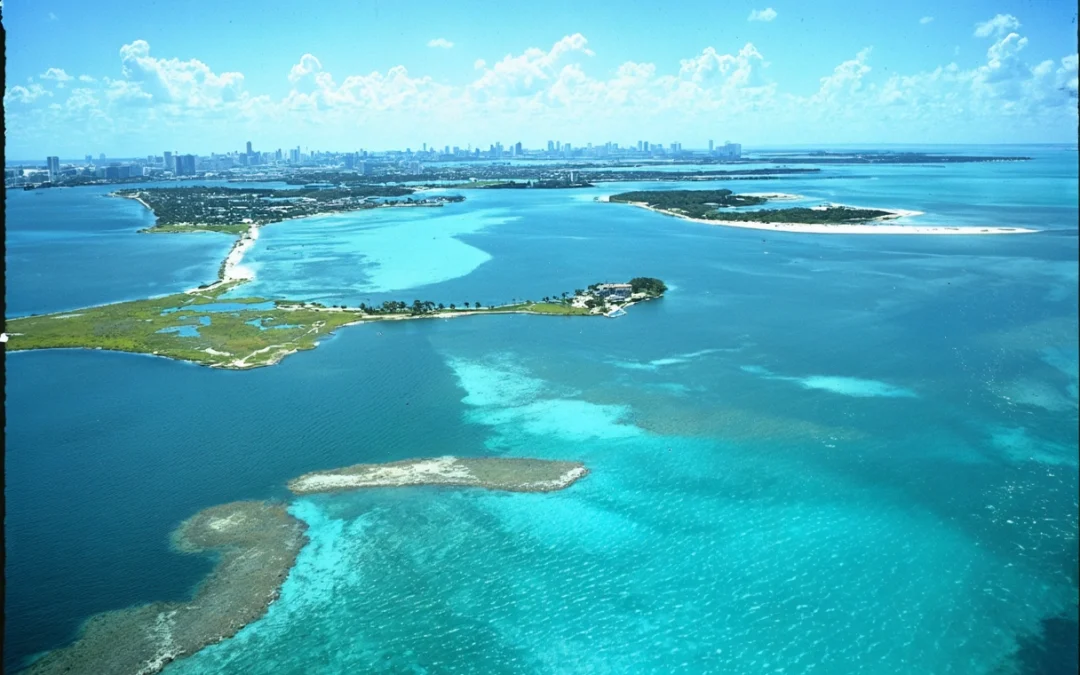
Sarasota Bay stretches over 50 miles of the Gulf Coast, nestled between the cities of Sarasota and Bradenton. It’s part of a larger system of estuaries that include regions like Tampa Bay and Charlotte Harbor. What makes Sarasota Bay particularly fascinating is its mix of freshwater from nearby rivers and salty waters from the Gulf of Mexico. This mix creates a brackish environment, ideal for a variety of marine and terrestrial life.
The bay is dotted with several barrier islands, known locally as keys, which add to the geographical diversity of the area. These keys, such as Longboat Key and Siesta Key, provide a natural barrier that protects the bay’s inner waters, making it a perfect haven for marine life. The beauty of the bay is not only in its water but also in its surrounding landscapes, which are rich with mangroves, seagrasses, and tidal flats.
Marine Life and Biodiversity
Sarasota Bay is home to an astounding array of marine species, making it a hotspot of biodiversity. Among the most notable residents are the bottlenose dolphins, manatees, and sea turtles that frequent the bay’s waters. These species are often seen gliding gracefully through the bay and are a testament to the health of the ecosystem.
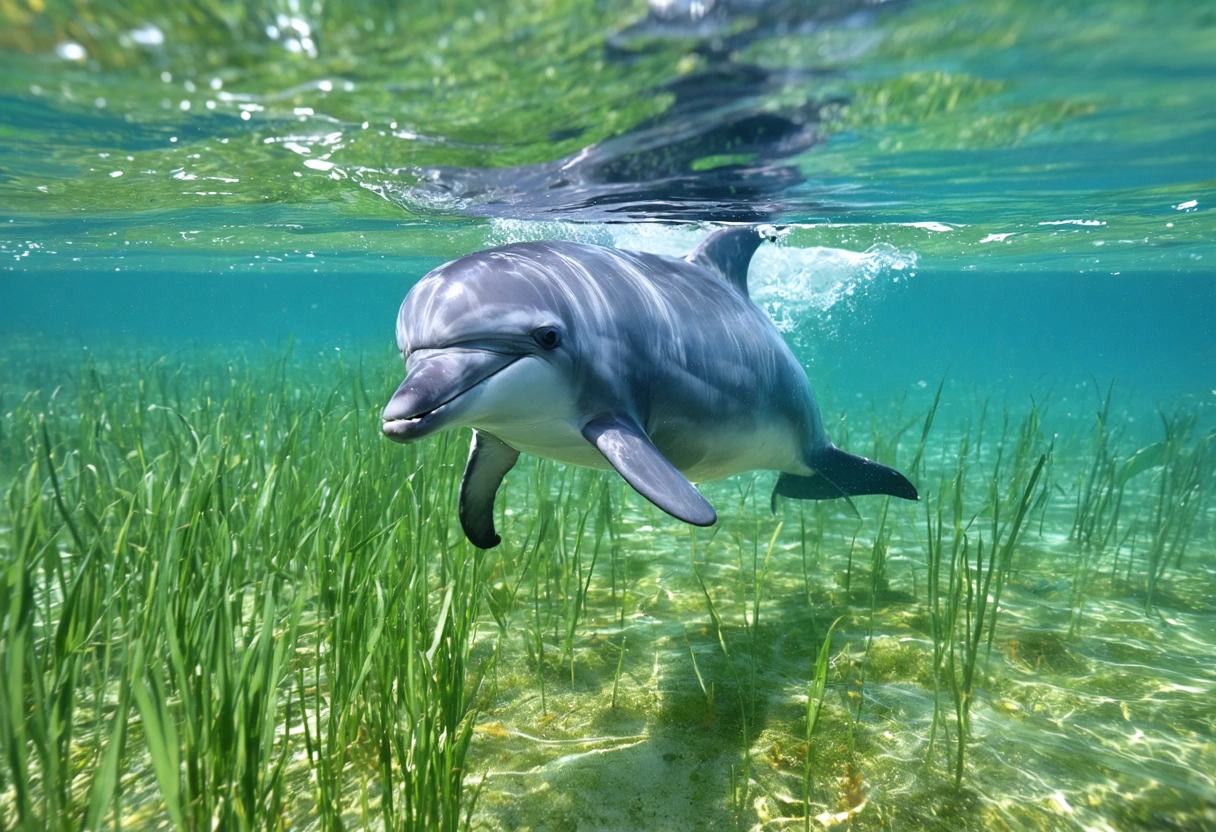
The bay’s floor is covered with expansive seagrass meadows, which are crucial for maintaining the ecological balance. These seagrasses serve as a nursery for juvenile fish and offer shelter to countless invertebrates. In fact, seagrass beds are often referred to as the “lungs of the sea” due to their role in oxygen production and carbon sequestration.
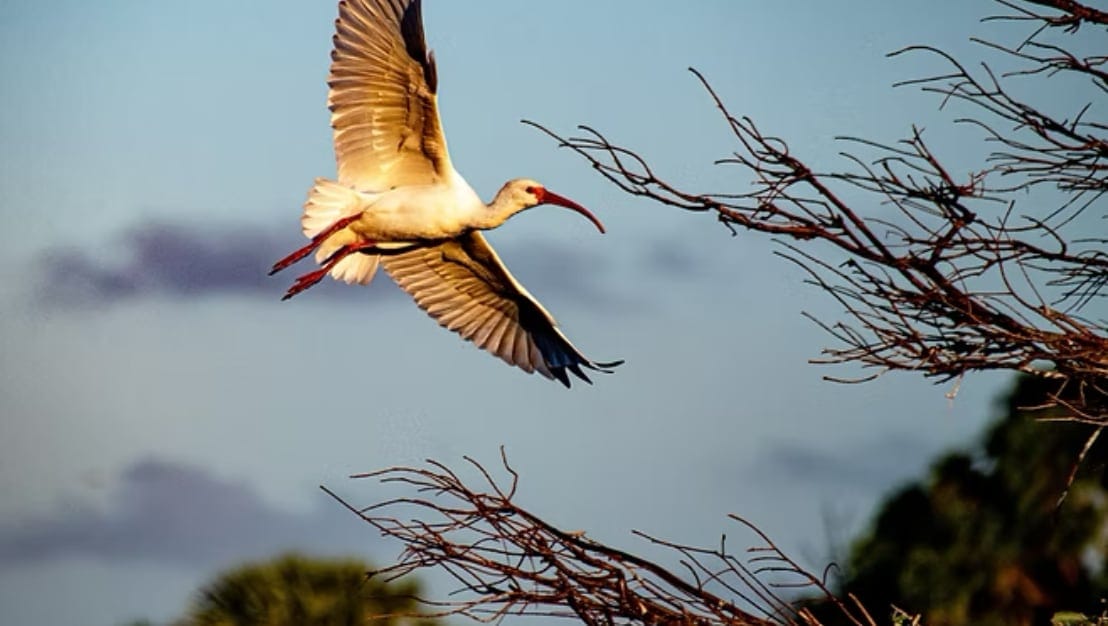
For bird enthusiasts, Sarasota Bay is a haven. The mangrove-lined shores provide nesting grounds for numerous bird species, including pelicans, herons, and ospreys. Observing these birds in their natural habitat offers a glimpse into the complex web of life that thrives in the bay.
Conservation Efforts and Protected Areas
Understanding the importance of Sarasota Bay’s ecosystem, various conservation efforts have been put in place to protect this natural treasure. The Sarasota Bay Estuary Program is one such initiative focused on the restoration and preservation of the bay. Their efforts include monitoring water quality, restoring habitats, and engaging the community in conservation activities.
One of the notable protected areas within the bay is the Sarasota Bay National Estuary Program, which aims to improve the health and sustainability of the bay. This program collaborates with local governments, non-profit organizations, and the community to implement conservation strategies that protect the bay’s natural resources.
Public awareness and education are also critical components in the conservation of Sarasota Bay. Educational programs and guided tours are available for those interested in learning more about the bay’s unique ecosystem and the efforts to preserve it. These initiatives help foster a sense of stewardship in the community, ensuring that future generations can also enjoy the bay’s beauty.
Exploring the Bay: Tours and Activities
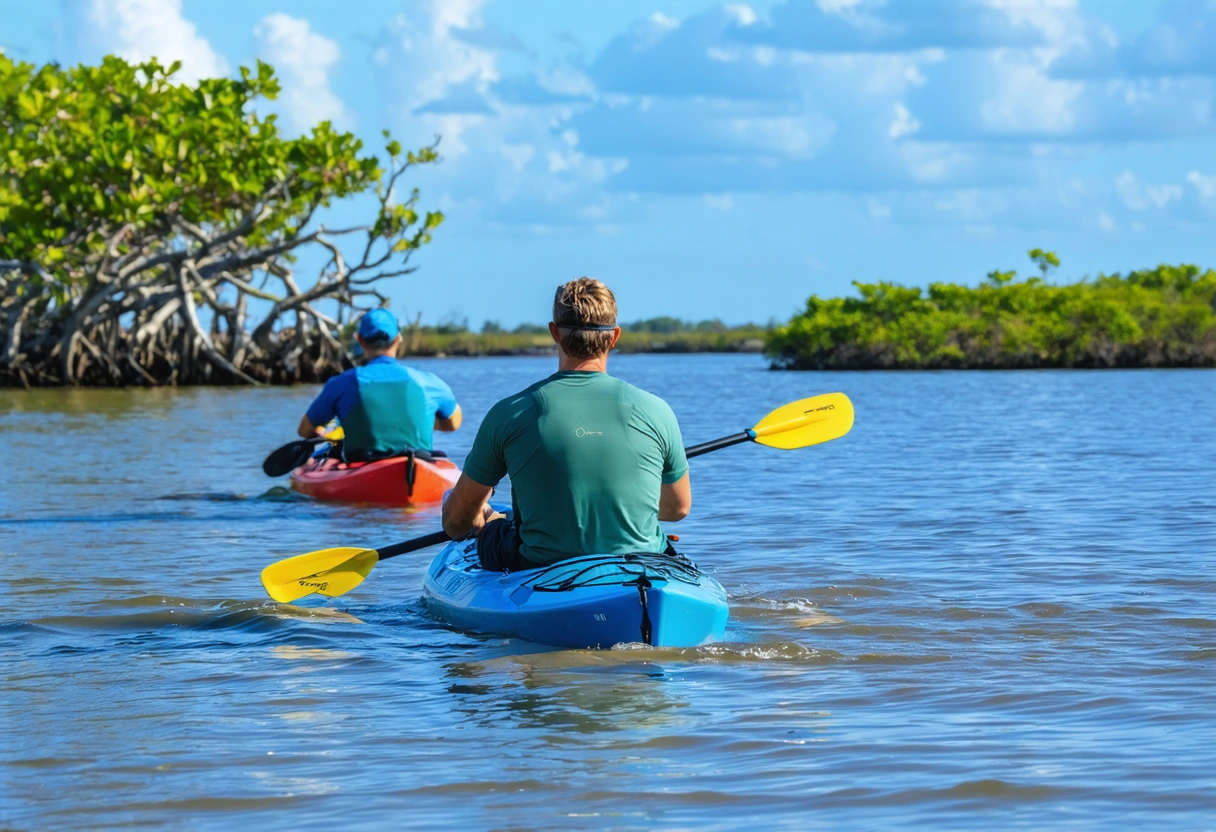
There are numerous ways to explore Sarasota Bay and experience its natural beauty firsthand. Guided eco-tours are a popular choice, offering visitors the chance to learn about the bay’s ecology while observing its diverse wildlife. These tours often include kayaking, paddle boarding, and boat trips, allowing for an intimate encounter with the bay’s inhabitants.
For those who prefer a more leisurely experience, fishing charters are available, providing an opportunity to catch local species while enjoying the serene waters of the bay. Anglers can expect to find a variety of fish, including snook, tarpon, and redfish, which thrive in the bay’s rich habitats.
Another unique way to explore the bay is through snorkeling or diving excursions. The clear waters of Sarasota Bay offer visibility that allows for an up-close view of the vibrant marine life and the intricate underwater landscape. These activities not only provide recreation but also an appreciation for the bay’s ecological importance.
The Importance of Sustainable Tourism
As Sarasota Bay continues to attract tourists, the need for sustainable tourism practices becomes increasingly important. Sustainable tourism ensures that the natural environment is protected while providing economic benefits to the local community. This includes initiatives like limiting the number of visitors in certain areas, promoting eco-friendly practices among tourists, and supporting local businesses that prioritize sustainability.
Visitors to Sarasota Bay are encouraged to adhere to the principles of “Leave No Trace,” which involves minimizing their environmental impact. Simple actions such as disposing of waste properly, respecting wildlife, and choosing sustainable tour operators can make a significant difference in preserving the bay’s natural beauty.
A Call to Protect Sarasota Bay
Sarasota Bay is a natural gem that offers a glimpse into the incredible diversity of marine life and ecosystems. Its protected status ensures that this unique environment remains a sanctuary for countless species and a source of wonder for those who visit. However, the continued health of the bay depends on our collective efforts to conserve and protect it.
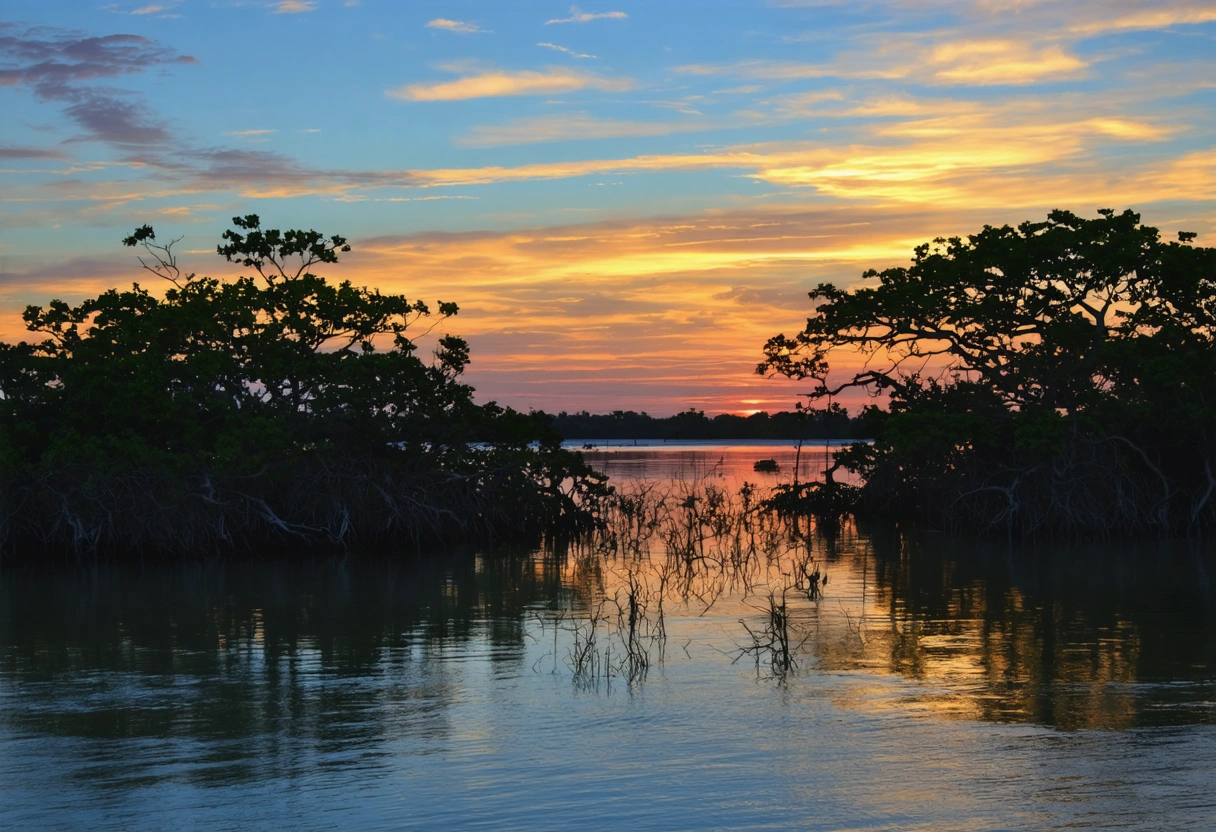
By supporting conservation initiatives, practicing sustainable tourism, and fostering a deeper understanding of the bay’s ecological value, we can ensure that Sarasota Bay remains a vibrant and thriving ecosystem for generations to come. Whether you’re a local resident or a visitor, the beauty of Sarasota Bay is a reminder of the delicate balance of nature and the role we all play in its preservation.
Sarasota Bay serves as a microcosm of the challenges and triumphs faced by coastal ecosystems worldwide. The efforts to preserve and protect this unique natural environment echo broader global environmental goals. By examining specific aspects of the bay’s ecology and conservation strategies, we can gain valuable insights into the broader environmental challenges and opportunities facing similar ecosystems.
The Role of Mangroves in Sarasota Bay
Mangroves are a pivotal component of Sarasota Bay’s ecosystem. These salt-tolerant trees and shrubs line the bay’s shores, creating a complex network of roots that serve as vital habitats for numerous marine and terrestrial species. Mangroves protect shorelines from erosion, act as buffers against storm surges, and provide critical nursery habitats for fish and other marine organisms.
In Sarasota Bay, mangroves are protected under state and local regulations due to their ecological importance. Efforts to preserve and restore mangrove habitats are ongoing, with various programs focused on planting and maintaining these crucial coastal guardians. The success of these initiatives not only benefits local wildlife but also enhances the resilience of the bay’s ecosystem against climate change impacts.
Educational Opportunities and Community Involvement
Education and community involvement are vital to the long-term conservation of Sarasota Bay. Local organizations and educational institutions offer a range of programs designed to engage the community and foster a deeper understanding of the bay’s ecological significance. Schools often incorporate field trips and hands-on activities that allow students to explore the bay’s unique environments, sparking a lifelong passion for environmental stewardship.

Community involvement extends beyond education, with numerous volunteer opportunities available for those looking to contribute to conservation efforts. Beach clean-ups, habitat restoration projects, and citizen science initiatives provide tangible ways for individuals to make a difference. By participating in these activities, community members help ensure the continued health and vitality of Sarasota Bay.
The Economic Impact of Sarasota Bay
Sarasota Bay is not only an ecological treasure but also an economic asset to the region. The bay’s natural beauty and recreational opportunities attract tourists from around the world, contributing significantly to the local economy. Tourism-related activities, such as guided tours, water sports, and fishing charters, generate revenue and provide employment opportunities for local residents.
The economic benefits of Sarasota Bay extend beyond tourism. The bay supports commercial and recreational fishing, providing a source of income and sustenance for many families in the area. Additionally, the ecological services provided by the bay, such as water filtration and carbon sequestration, offer indirect economic benefits that enhance the quality of life for those living in the region.
Challenges Facing Sarasota Bay
Despite its beauty and ecological importance, Sarasota Bay faces several environmental challenges that threaten its health and sustainability. One of the primary concerns is water quality, which can be impacted by pollution from stormwater runoff, agricultural activities, and urban development. Addressing these issues requires a collaborative approach, involving local governments, community organizations, and residents.
Climate change also poses a significant threat to Sarasota Bay. Rising sea levels, increasing temperatures, and changing precipitation patterns can alter the bay’s delicate balance, impacting both marine and terrestrial life. Efforts to mitigate climate change and adapt to its impacts are essential to preserving the bay’s ecosystem for future generations.
Innovative Conservation Strategies
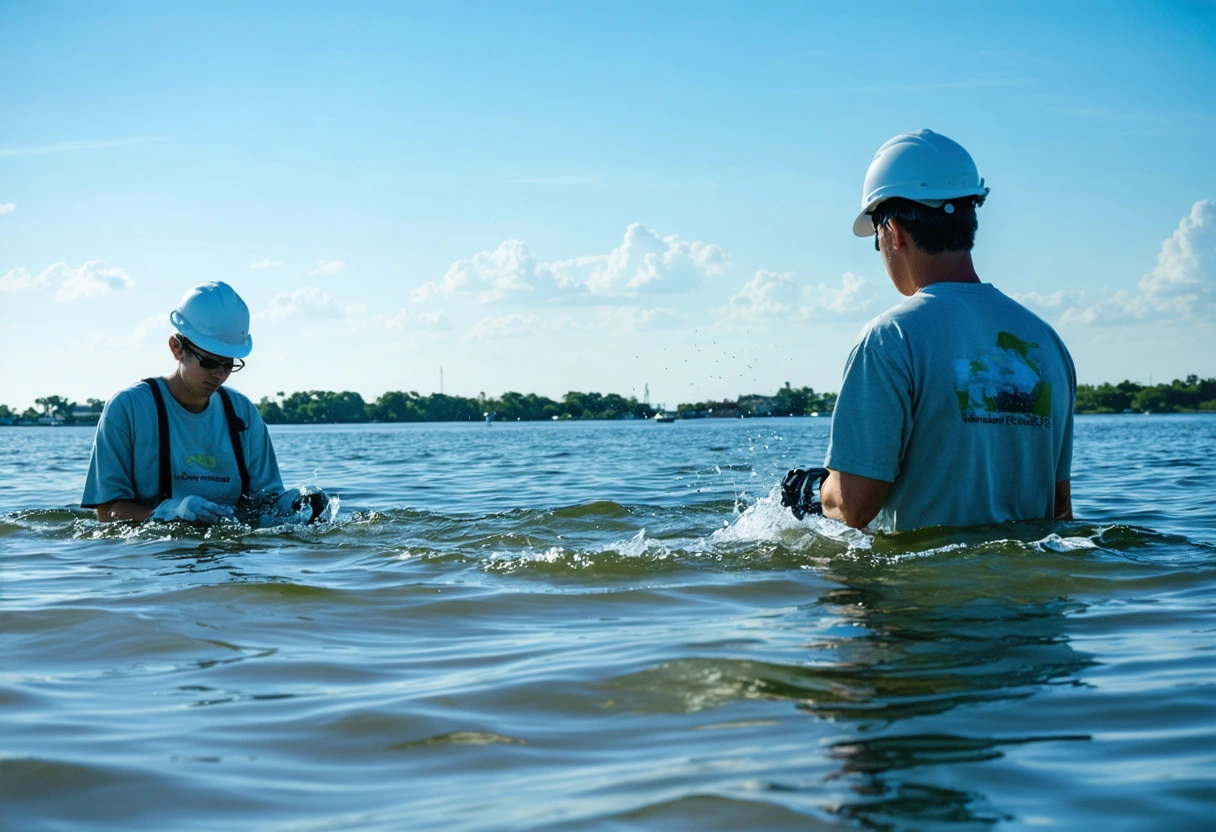
To address these challenges, innovative conservation strategies are being implemented in Sarasota Bay. Advanced technologies, such as water quality monitoring systems and habitat mapping tools, are used to assess the bay’s health and guide conservation efforts. These technologies enable scientists and conservationists to make informed decisions and prioritize actions that will have the greatest positive impact.
Collaboration is also key to successful conservation in Sarasota Bay. Partnerships between government agencies, non-profit organizations, academic institutions, and the private sector are essential for pooling resources and expertise. By working together, these groups can develop and implement comprehensive strategies that address the bay’s most pressing challenges.
The Path Forward: A Vision for Sarasota Bay
The future of Sarasota Bay depends on our collective commitment to conservation and sustainable management. By continuing to prioritize education, community involvement, and innovative conservation strategies, we can ensure that this unique ecosystem remains a vibrant and thriving part of Florida’s natural heritage.
As we look to the future, it is essential to remain vigilant and proactive in our efforts to protect Sarasota Bay. By embracing a holistic approach that considers the ecological, economic, and social aspects of the bay, we can create a sustainable path forward that benefits both the environment and the community.
Let us celebrate and cherish Sarasota Bay, not only for its beauty and biodiversity but also for the valuable lessons it teaches us about the interconnectedness of nature and the importance of preserving our natural world for generations to come.
Need help with Unveiling the Beauty of Sarasota Bay: A Guided Tour to the Region’s Protected Marine Life?